
Articles
| Name | Author |
|---|
CASE STUDY: Smart move: Smartwings boosts operational efficiency with transition to eTechLog8
Author: Pavel Hovorka, Avionics Engineer and ETL (Electronic Technical Log) Administrator, Smartwings
Subscribe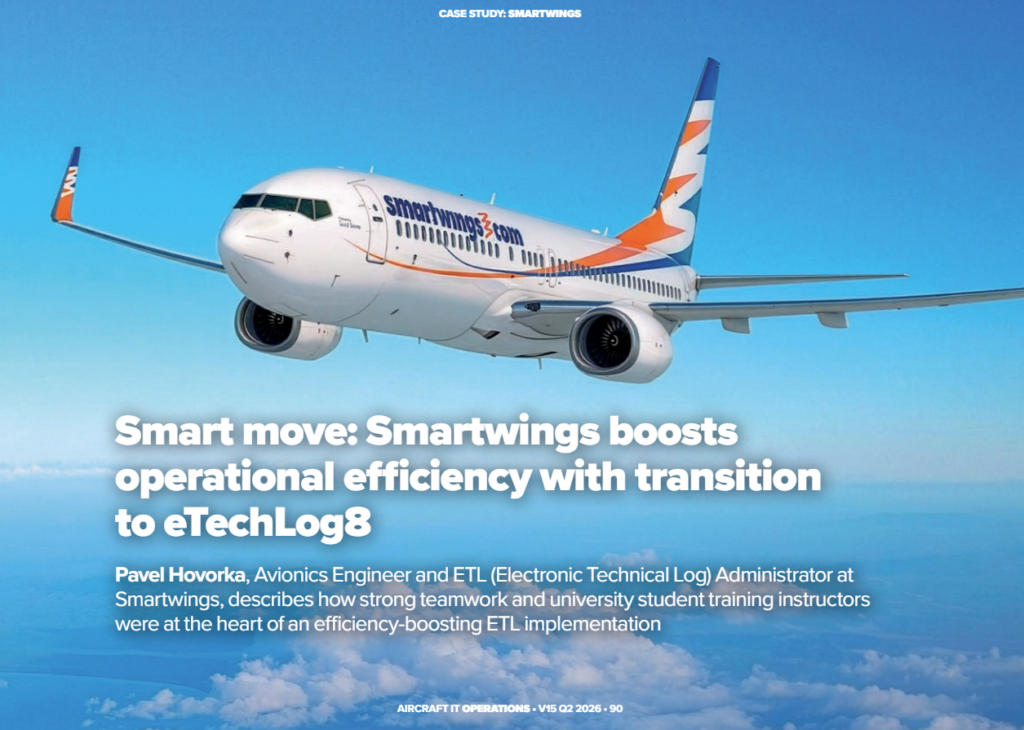
Pavel Hovorka, Avionics Engineer and ETL (Electronic Technical Log) Administrator at Smartwings, describes how strong teamwork and university student training instructors were at the heart of an efficiency-boosting ETL implementation
Smartwings implemented a fleet-wide Electronic Technical Log (ETL) at a critical point in its operational growth, when paper-based processes were no longer able to support the scale, complexity and speed required by the business.
This case study describes not only the transition from paper logbooks to Conduce’s eTechLog8, but more importantly how the implementation enabled much faster access to operational data, reduced manual handling and improved coordination between operational departments. It also outlines the organizational approach, including an innovative training model leveraging students from the Czech Technical University (CTU), including future aircraft technicians and pilots, which enabled a rapid but controlled rollout across the fleet.
SMARTWINGS
When we launched in 1997 with a single Tupolev 154 operating only in the Czech Republic, paper logbooks didn’t present much of a barrier to progress. Since then, Smartwings has grown considerably, and today it is the country’s largest airline, operating a fleet of 47 aircraft, including Boeing 737NGs, Airbus 320s and Airbus 220s; we carried 8.3 million passengers in 2025 (figure 1).
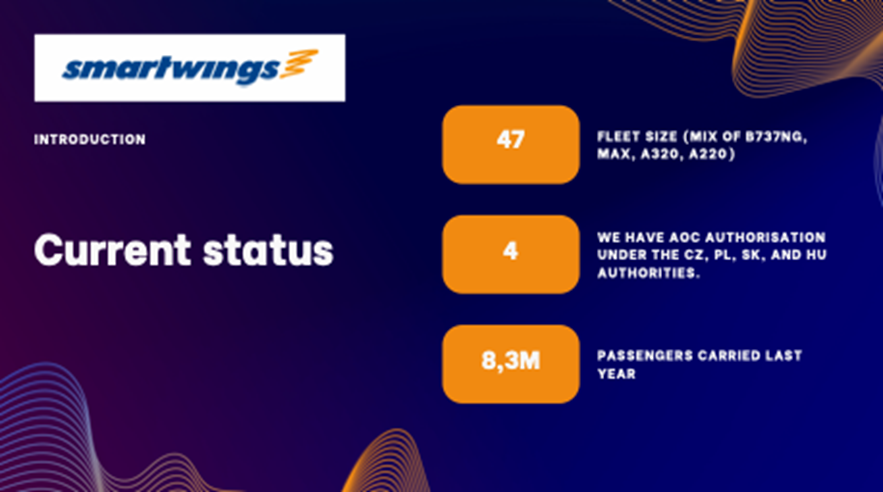
Figure 1
We have AOCs (Airline Operator’s Certificates) from the Czech Republic, Poland, Slovakia and Hungary, for a mixed operation of scheduled and charter flights.
This understandably produces a lot of paperwork. Smartwings operates globally, including remote destinations such as Troll Antarctic Airfield in Antarctica. In such cases, a paper-based system could delay access to operational information needed by teams in Prague.
In addition, whilst we have our own Part 145-line maintenance facility, we work with several external organizations for line and heavy maintenance. Having eTechLog8 onboard ensures that maintenance personnel have immediate access to up-to-date technical records and defect information.
A mixed business model
Moving to eTechLog8 delivered multiple benefits across all areas of Smartwings’ business model (figure 2).
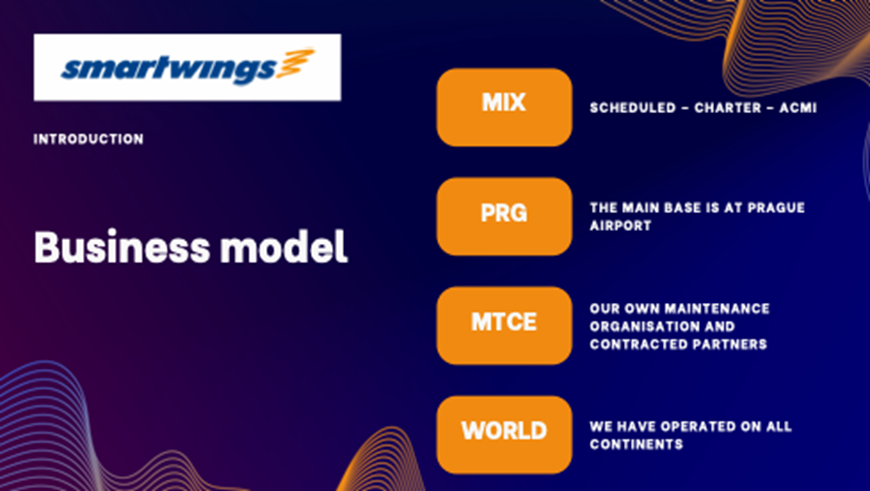
Figure 2
Before the eTechLog8 Project
Previously, Smartwings relied on three primary paper logbooks: the Journey Logbook, the Defect Logbook and the Deferred Defects Logbook (see figure 3).
In addition to these logbooks, low-limit maintenance tasks — including daily and weekly checks, pre-flight inspections and ETOPS (Extended-range Twin-engine Operational Performance Standards) checks — were managed using separate paper forms requiring manual completion and signatures.
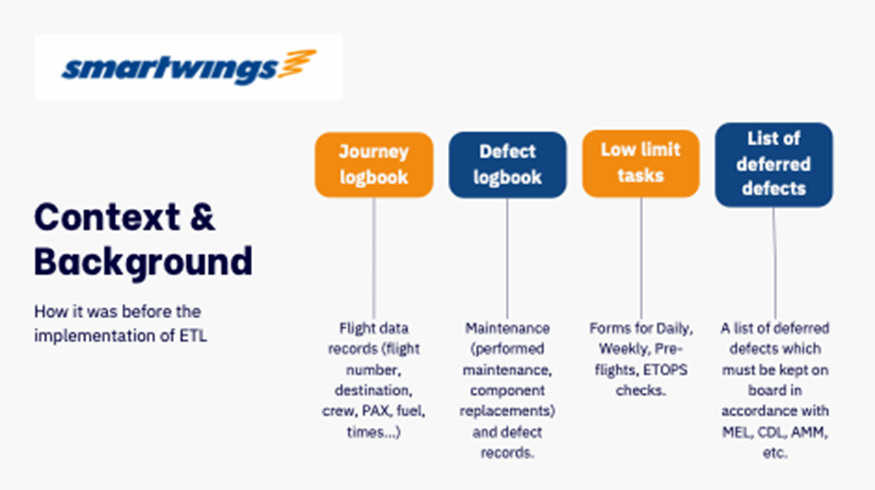
Figure 3
Of course, paper-based journey and defect logbooks led to a lot of document scanning (figure 4). This introduced errors from misreading handwriting, unclear scanning and repeated manual input.
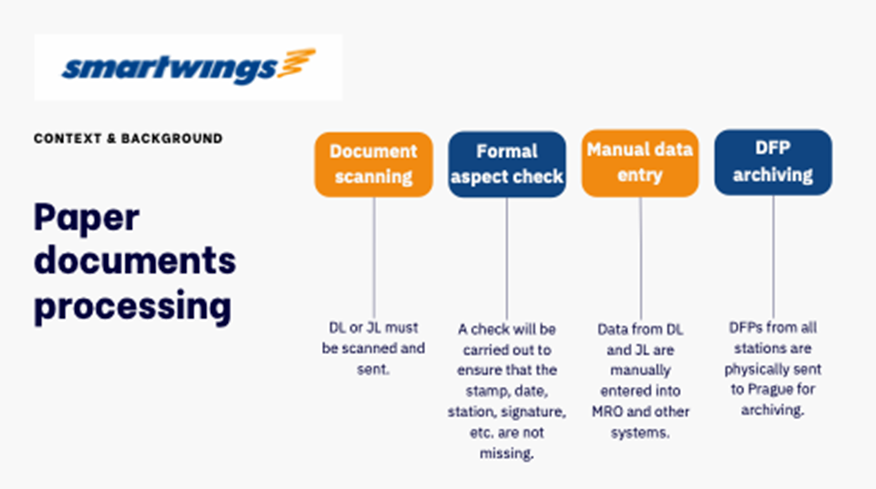
Figure 4
Not only does having 3 separate logbooks create duplication of the input records, but it also significantly increases the chance of human errors occurring from mismatching data entry. This required formalizing processes of auditing the data, cross-referencing date, station, signature and license number to ensure the accuracy of records. These processes slowed down access to this data. Once audited, the data had to also be manually inputted from the journey and defect logbooks into the MRO (Maintenance, Repair and Overhaul) and Flight Ops systems. The physical documents were also shipped from all over the world to Prague to be archived.
The operational ‘weight’ of paper.
So, now you have an overview of the situation, we will explain the three main limitations with our paper-based system we wanted to address with the implementation of eTechLog8 (see figure 5).
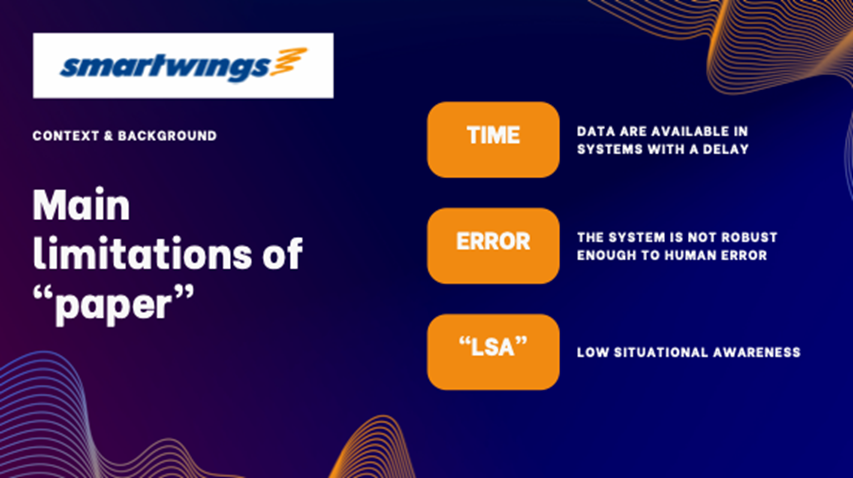
Figure 5
Firstly, there was a significant delay between an event occurring on the aircraft and the information becoming available to decision-makers on the ground. This delay affected maintenance planning, defect troubleshooting and operational coordination.
Another issue was that manual data handling introduced a high rate of inconsistencies. These included mismatches in dates, signatures, station codes and technical entries, which required additional verification steps and created a continuous workload for technical records and CAMO.
Finally, the lack of real-time visibility reduced situational awareness across the organization. Maintenance Control Centre (MCC), engineering and operations teams were often working with incomplete or outdated information, leading to reactive rather than proactive decision-making.
CONDUCE ETL IMPLEMENTATION
We signed the contract with Conduce for eTechLog8 in September 2023 and, once the system configuration and testing phase was complete, we began the three months of training. Once all staff were trained, we began a period of parallel run, where the paper logbooks were completed in parallel to the electronic records in eTechLog8 to demonstrate Smartwings could effectively and safely use the system. Once this was successfully demonstrated to the Czech airworthiness Authority, Smartwings fleet had our ‘go live’ (removing paper to be fullyh digital) about nine months after the project began.
Rapid turnaround
One of the most important keys to the speed of implementation was excellent teamwork. Our teams were a crucial part of the successful completion, with support from the company’s management. We also received very strong support from Conduce throughout the process. As I have already mentioned, another crucial element in our speed of implementation was our decision to bring in students from the Czech Technical University (CTU) in Prague, who joined our group of ETL instructors.
LEARNING AT SPEED
Although we used e-learning and CBT (Computer-Based Training) to cover many of the mandatory aspects, this alone was not enough: we combined it with face-to-face instruction. That’s why our approach to providing sufficient training in a relatively short period relied heavily on our ETL trainers (see figure 6) working with technicians in the hangar and onboard during flights.
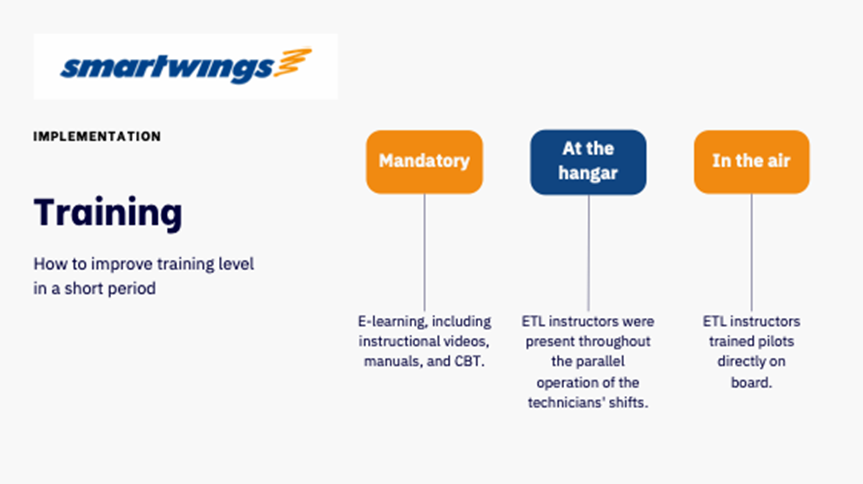
Figure 6
Inflight Training
The introduction of the ETL was the perfect opportunity for Smartwings and the CTU students to collaborate. Out of a total of 39 instructors, 26 were CTU students, who were able to contribute once they had been given the necessary security training to be in a cockpit during a flight (figure 7).
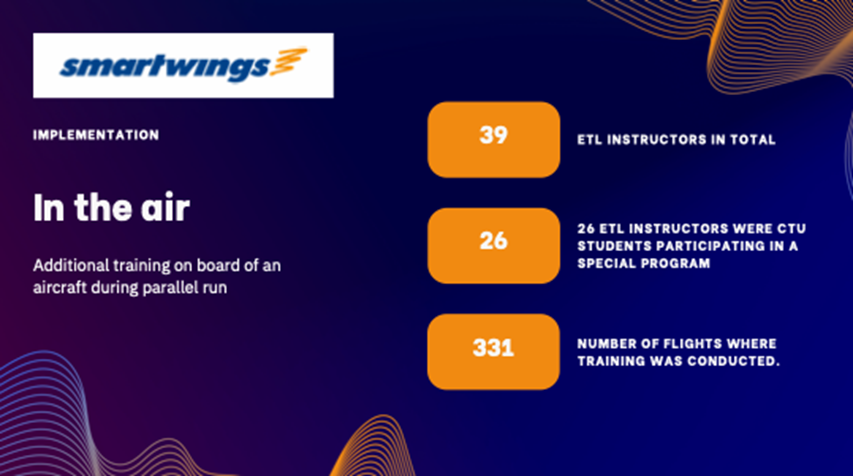
Figure 7
We ran onboard training on 331 flights during the parallel running of the old and new systems. In total, 48% of our pilots received additional onboard training, supplementing other training they received (figure 8).
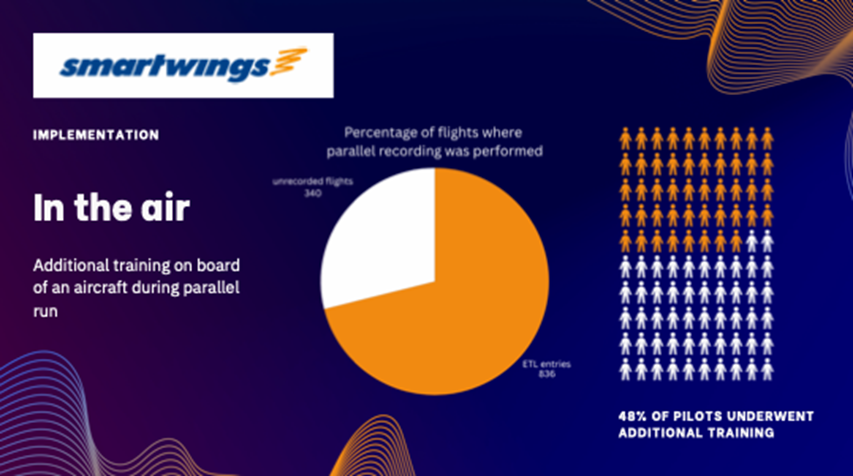
Figure 8
We ran a similar training program for our support teams at the hangar. Here, nearly two-thirds of technicians’ shifts included eTechLog8 training. We also provided training in the hangar to five of our external maintenance partners.
KEY BENEFITS
As a result of our implementation, there are many benefits but addressing our three main problems, the main benefits driving the success of eTechLog8 at Smartwings:
Faster information
The transition to near real-time data availability significantly improved how Smartwings responds to operational events. With immediate synchronization between aircraft and ground systems, MCC and engineering teams can assess defects, initiate troubleshooting and coordinate corrective actions without delay.
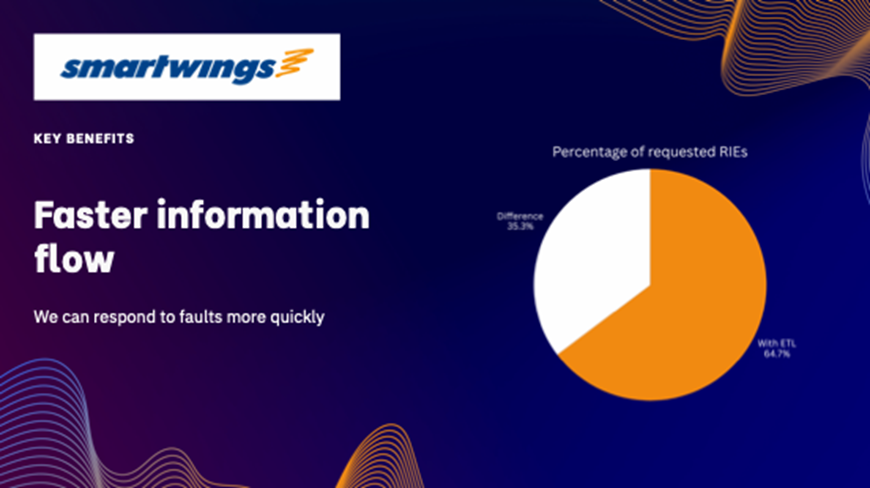
Figure 9
Since implementing eTechLog8, we have reduced RIEs (Rectification Interval Extensions) by 64.7% by having the right information available at the right time to solve problems, order parts and improve our troubleshooting.
Fewer human errors
Unsurprisingly, automation reduces the frequency of human errors. For us, eTechLog8 brought down error rates by 95 percent in our key metrics (such as dates and signatures). This is supported by eTechLog8’s ‘soft warnings’ of amber fields if a data input doesn’t look right to the system as well as the workflow-controlled process preventing pilots and engineers from missing mandatory information fields.
Improved situational awareness
This is one of the most significant operational benefits. When a defect is raised, updated or deferred, the information becomes immediately visible across the organization.
This allows MCC and maintenance teams to contact outstation Part-145 providers earlier, coordinate resources and prepare corrective actions before the aircraft arrives. In contrast to the previous paper-based system, where communication gaps could lead to delays, the ETL ensures that all stakeholders operate with the same up-to-date information. This has contributed to the elimination of serious delays caused by unreported or late-reported defects.
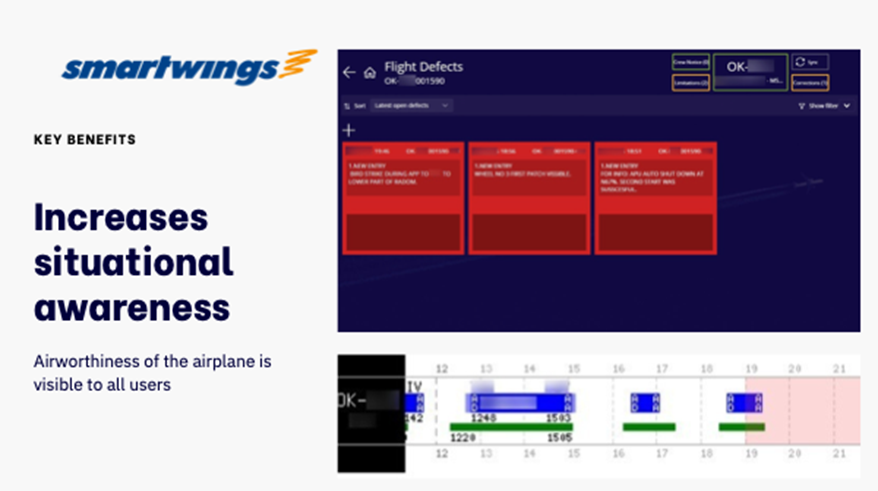
Figure 10
The improvement in situational awareness is particularly important because, in the previous paper-based environment, technical information was not always immediately visible to all relevant stakeholders. This could result in delays between a defect being recorded by the flight crew and maintenance control teams becoming aware of the issue, potentially impacting the subsequent aircraft turnaround.
Since introducing eTechLog8, Smartwings has reduced the number of serious delays caused by unreported or late-reported technical issues to zero, supported by improved visibility, faster communication and reduced human error.
LESSONS LEARNED
Our journey has taught us a lot – and not just about the technology. One of the key lesson about what worked best in our transition to eTechLog8 was the benefit of applying lean development principles to our project management. This meant reviewing the paper procedures and eliminating data fields we did not use and were wasting time and effort. Another important aspect was investing heavily in training and ensuring that the workflows themselves helped prevent common mistakes from the beginning of the project. The objective was to scale the rollout rapidly while maintaining consistency and operational safety.
To do this we ensured a strong, consistent communication campaign across the organization meant everyone received clear messages. Made sure we articulated the project’s goals to the whole team with clear next steps to make sure everyone knew where we were across the project.
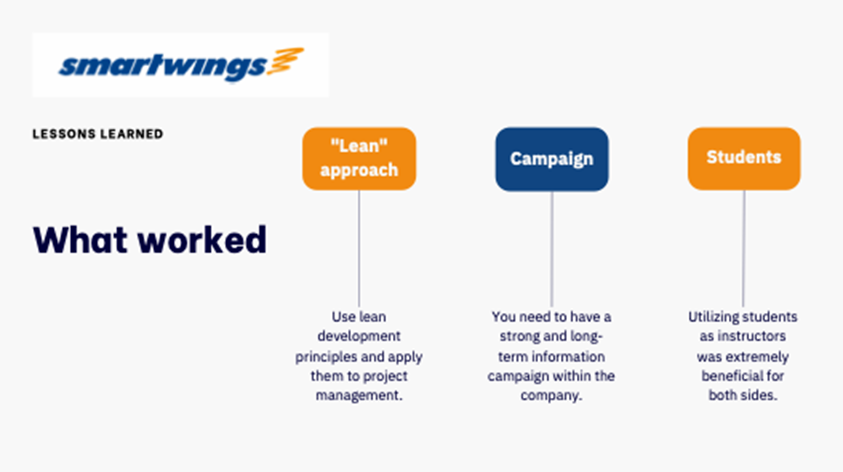
Figure 11
Introducing CTU students to support the ETL training was a positive move that benefited both sides. It enabled Smartwings to complete the ETL implementation project in just nine months, and, for the students, this was an ideal opportunity to work in real flight and maintenance environments.
NEW ATTITUDES
As well as the boost from introducing new technology to the airline, we have also seen a new attitude emerge at Smartwings (figure 12), where people feel comfortable with the speed and accuracy of the data they receive. Accessing up-to-date information encourages a more proactive approach across the organization, so we feel part of the data ownership process, rather than merely following a paper-based reporting obligation. Less time spent on manual information inputting tasks frees us to deal with other work challenges.
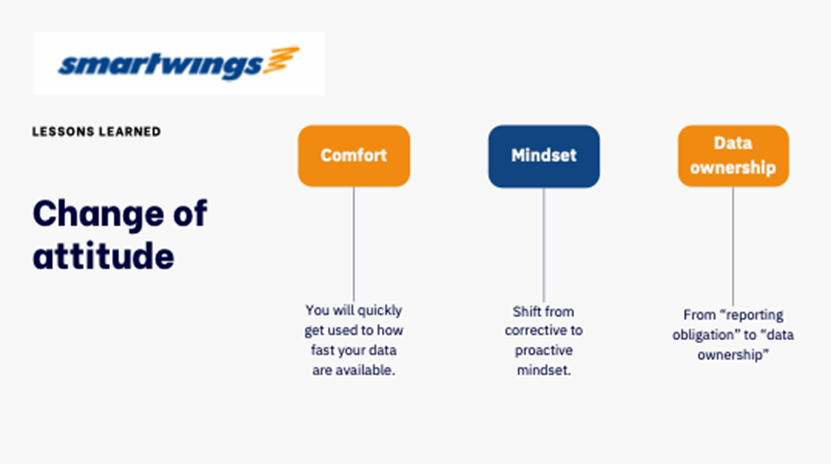
Figure 12
Finally, maintaining clear ownership and communication across departments ensured alignment between flight operations, engineering and technical records, which was essential for a successful transition.
WHAT’S NEXT?
eTechLog8 is not our final goal; it is the beginning of our digital transformation based on stabilized digital workflows across departments and aircraft types, and more confidence in the accuracy and availability of operational data. A key enabler for this will be the development of a centralized data environment, allowing stakeholders across departments to access and analyze ETL data in a standardized way. We are now improving our reliability tracking and predictive maintenance using ETL data and hope to have some results in the next few months (figure 13).
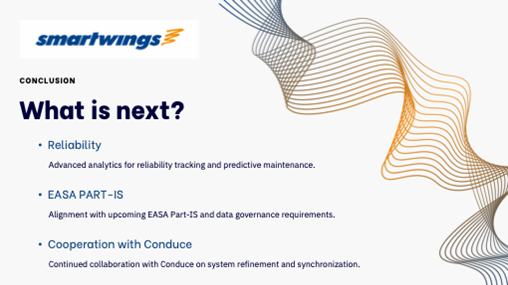
Figure 13
In parallel, Smartwings is aligning its processes with EASA Part-IS requirements, with a strong focus on data governance, access control and auditability. Initial trials are also underway to explore the use of AI in reliability analysis, with the aim of helping identify technical trends earlier and support more proactive maintenance planning. Finally, we look forward to continuing our collaboration with Conduce on system refinements and synchronization.
Comments (0)
There are currently no comments about this article.
To post a comment, please login or subscribe.