

Philippine Airlines, PAL Express choose eTechLog8
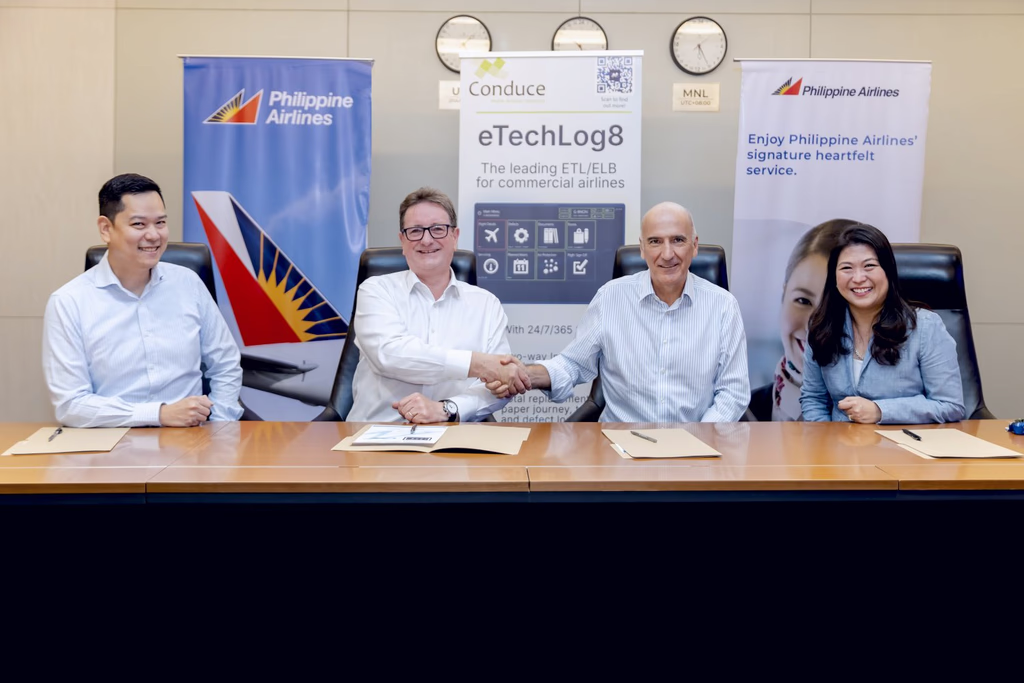
Flag carrier Philippine Airlines (PAL) and its sister-company PAL Express (PALex) have forged a partnership with eTechLog8, an Electronic Technical Logbook developed by Conduce, reinforcing the airlines’ commitment towards full digital transformation.
With reliable data capture and round-the-clock support, eTechLog8 enables carriers to strengthen fleet oversight and improve turnaround times, among other operational capabilities.
“The decision to utilize the eTechLog8 technology reflects the continued commitment towards service innovation and operational excellence. An Electronic Technical Logbook is the next stage of our digital transformation journey. We are excited to partner with Conduce, whose proven experience in the Electronic Technical Logbook market will ensure a timely and smooth project implementation.”
Capt. Roland Narciso, PAL Senior Vice President – Operations Group.
Paul Boyd, Managing Director at Conduce, said,
“We are delighted to welcome Philippine Airlines and PAL Express to the eTechLog8 community. As a carrier with such a rich history and a strong focus on innovation, their decision to adopt eTechLog8 highlights their commitment to modernizing operations and embracing digital transformation. We look forward to supporting their teams as they transition to a fully electronic technical logbook”
The partnership reflects the airlines’ focus on strengthening reliable and resilient operations, while advancing their shift toward more digitally enabled processes.
About Conduce

With offices in the UK and Australia, Conduce provides robust mobile solutions for the world’s airlines. eTechLog8 is the leading ELB solution to replace paper technical logbooks. As a mature product, eTechLog8 is certified around the world with more than 35 airline operators. With over 10 years’ experience integrating with all kinds of airline software and systems, Conduce offers the most feature-rich ETL/ELB on the market.
About Philippine Airlines

Philippine Airlines (PAL) is the Philippines’ flag carrier and the country’s only full-service network airline. Founded in 1941, PAL is Asia’s first commercial airline and has played a vital role in connecting the Philippines to the world for 85 years.
PAL’s fleet of Boeing, Airbus, and De Havilland aircraft operate scheduled nonstop flights out of hubs in Manila, Cebu, Clark, and Davao to 30 destinations in the Philippines and 41 destinations in Asia, North America, Australia, and the Middle East. PAL also offers air cargo and charter services, while providing seamless connections throughout the nation and across the world. PAL is an APEX Four™ Star recipient and has achieved the highest on-time performance among Asia Pacific carriers for 2025, according to Cirium.
Conduce Celebrates ANAC Approval for eTechLog8 in Brazil
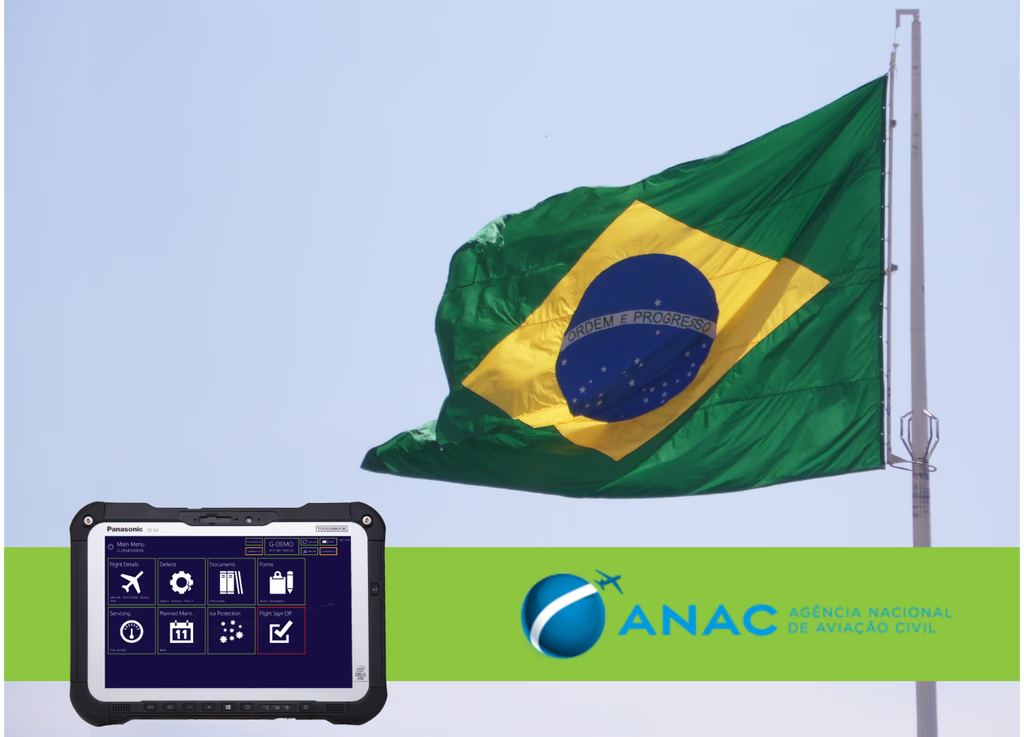
Conduce is proud to announce that eTechLog8 has received approval from Brazil’s Agência Nacional de Aviação Civil (Anac), for a regional customer, marking a significant milestone in the continued global adoption of its electronic technical logbook solution.
This approval enables the Conduce customer operating under ANAC regulation to implement eTechLog8 as part of their transition from paper-based processes to fully digital technical operations. It reflects both the robustness of the platform, ANAC’s confidence in the airline and Conduce’s ongoing commitment to supporting regulatory compliance across multiple jurisdictions.
eTechLog8 removes paper from the cockpit enabling clean, high quality data capture that supports operational efficiency, safety and decision making. With a comprehensive feature set and 24/7/365 support, the system enables airlines to streamline processes, improve data accuracy and enhance visibility across engineering and flight operations.
Brazil represents one of the largest and most dynamic aviation markets in Latin America. ANAC approval is therefore an important step in expanding access to eTechLog8 within the region, supporting airlines as they modernise their operations and invest in digital transformation.
Hayley Russell, Operations Director at Conduce, commented:
“Achieving ANAC approval is a significant milestone for our Brazilian customer and for eTechLog8. Brazil is a key aviation market, and this approval allows us to support airlines in the region as they move towards digital technical records. We are committed to working closely with operators to ensure a smooth and compliant transition to electronic logbooks.”
The approval process involved detailed evaluation to ensure that eTechLog8 meets the regulatory and operational requirements set by ANAC. This milestone demonstrates the system’s ability to align with stringent aviation standards while remaining flexible enough to meet the needs of different operators.
As airlines increasingly look to modernise and futureproof their operations, regulatory approvals such as this play a crucial role in enabling adoption. Conduce looks forward to supporting our Brazilian operators in realising the benefits of digitalisation through eTechLog8.
Ultramain Systems Honored by Emirates for Excellence in Collaboration and Delivery of Ultramain v9 Project
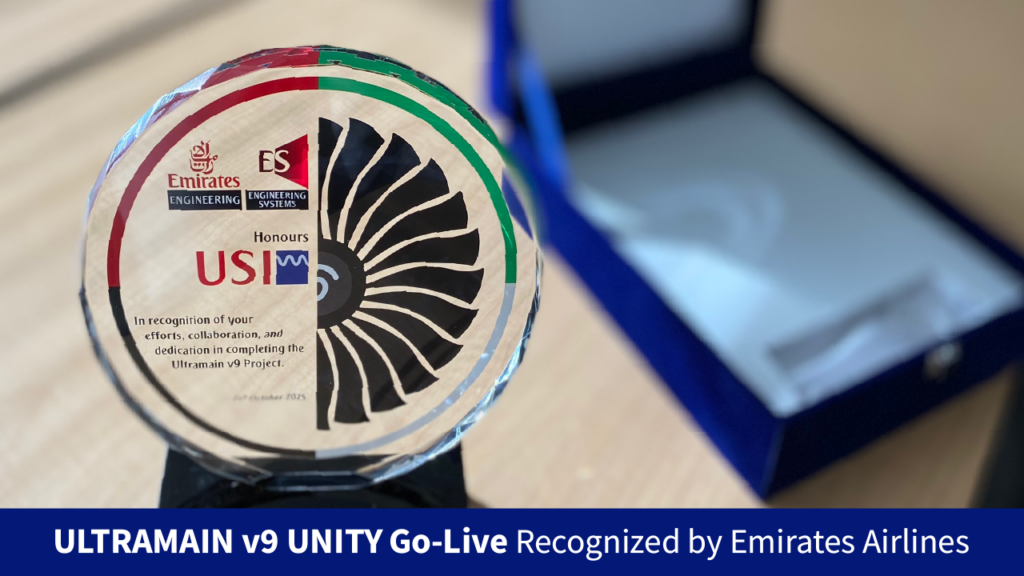
Albuquerque, New Mexico — October 25, 2025 — Ultramain Systems, a global leader in aviation maintenance and engineering software solutions, is proud to announce that it has received a prestigious award from Emirates, the Dubai-based international airline, in recognition of the company’s exceptional collaboration, dedication, and performance throughout the successful delivery of the Ultramain v9 implementation project.
The award highlights Ultramain Systems’ unwavering commitment to innovation, operational efficiency, and customer partnership as Emirates advances its digital transformation objectives. Over the course of the project, Ultramain worked closely with Emirates Engineering to deploy the next-generation Ultramain v9 platform, designed to streamline maintenance operations, enhance fleet management capabilities, and improve real-time decision-making across engineering and technical services.
“We are honored to be recognized by Emirates for our team’s hard work and dedication,” said Mark McCausland, President of Ultramain Systems. “This award reflects the strength of our partnership and our shared vision for delivering world‑class aviation technology. The successful deployment of Ultramain v9 is a testament to the collaborative spirit and technical excellence demonstrated by everyone involved.”
The Emirates project represents one of the most significant implementations of Ultramain v9 to date, involving extensive coordination, technical integration, and user enablement across the airline’s global operations. The award acknowledges key contributions in project management, solution design, training, and ongoing support.
“Working with Emirates has been an incredible opportunity,” added Mark Butler, Vice President of Projects and Programs. “We remain committed to supporting their digital journey and ensuring Ultramain v9 continues to bring long-term value to their engineering and maintenance operations.”
Why Flexibility Matters in an eTechlog Implementation
When operators begin looking at moving from paper to an electronic technical logbook, one question comes up early… Will this system actually fit how we work?
It’s a fair concern.
No two operations run in the same way. Procedures differ, fleets differ, and even where two operators face similar regulatory requirements, the day-to-day workflow behind the scenes can still look very different. That’s one of the main reasons paper has remained in place for so long. It may not be efficient, but it is familiar, adaptable, and easy to shape around the operation.
The challenge is that many digital systems solve one problem while creating another. They introduce structure, but often in a rigid way. Instead of improving the workflow, they require the operation to adapt to the software.
In practice, this can create issues:
- More back-and-forth between the flight crew and maintenance to clarify defects
- Duplicated effort in entering the same data across multiple systems
- Inconsistent data capture leading to misinterpretation and repeated defects
- Reduced confidence in the information being used to make operational decisions
In many eTechlog implementations, the biggest challenge is not the technology itself, but ensuring the system aligns with how different teams already work across the operation.
So while it is natural to compare digital systems with paper, that is only part of the picture.
The more important question is this, can the system adapt to the operation and continue to do so over time?
Moving Beyond Paper Is Only the First Step
For many operators, the first stage of the conversation is about replacing paper. That makes sense.
Paper-based aircraft technical logbooks slow information flow, limit visibility across the fleet, and create additional effort when records need to be reviewed, shared, or analysed.
But once an operator decides to digitalise, the decision shifts. It becomes less about paper versus digital, and more about ‘which platform gives us the right balance of structure, flexibility, performance, and long-term fit?’
A digital tech log or electronic technical logbook should not simply replicate the paper process. It should improve how information is captured, shared, and used across the operation, while still fitting into existing workflows.
This is where the design philosophy behind the system matters.
Rigid legacy systems often lead to workarounds, parallel processes, or incomplete adoption, undermining the very benefits digitalisation is supposed to deliver.
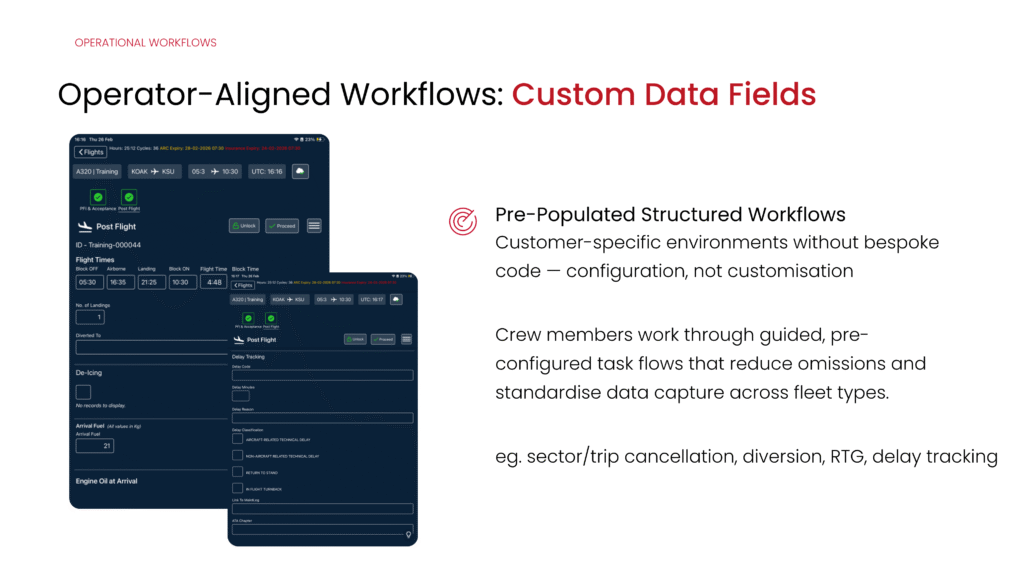
With the REDiFly eTechlog, the focus has been on building a platform that aligns with real operational environments rather than imposing a fixed structure.
Flexibility Means More Than “Customisable”
Flexibility is often used loosely, but in practice, it has a very specific meaning.
It means the system reflects how the operator works, not the other way around. That applies across several areas. Workflows should match how the operation actually handles flight phases, delays, diversions, and defects.
For instance, the structure of the paper logbook, how sectors are recorded, or even something as simple as a fuel uplift workflow can vary quite a bit. A good eTechlog should accommodate those differences, not try to standardise them away.
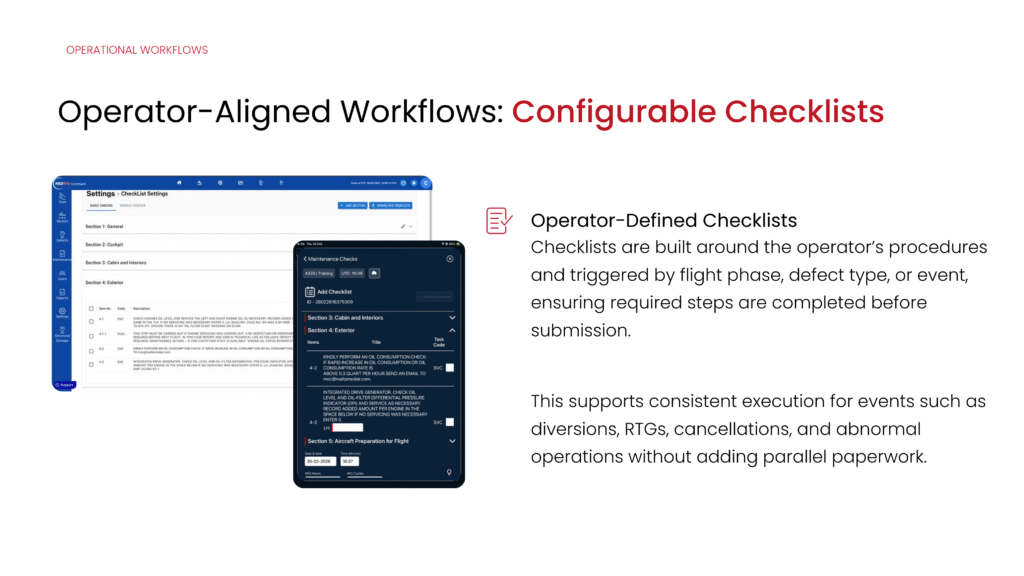
Checklists need to follow the operator’s actual procedures, not a generic template that looks good on paper but doesn’t match how crews work day to day.
The same applies to data capture. It needs to be structured enough to drive consistency and support downstream systems, but still flexible enough to let the crew describe defects properly. If you over-structure it, people find workarounds, entries become incomplete, and you lose important context.
That balance between structure and flexibility is where many systems fall short. And it’s also where a well-designed eTechlog makes the biggest difference, giving you clean, usable data without getting in the way of operations.
Instead of forcing standard processes, REDiFly allows operators to configure workflows, checklists, and data capture to match their environment.
The aim is not to create complexity.
It is to provide enough structure for consistency while allowing the operation to run as intended, by ensuring the system supports accurate defect capture, clear communication between flight crew and maintenance, and provides data that can be used for troubleshooting, tracking recurring issues, and planning maintenance.
A Modern Platform Should Fit Into Existing Device Strategies
Another practical consideration is how the system is deployed.
Some operators want the eTechlog integrated into their existing EFB environment. Others prefer dedicated devices. In many cases, it is a mix across fleets or roles. This is a decision that directly affects usability, training, and reliability of the system in day-to-day operations.
The REDiFly eTechlog is designed to support this flexibility.
It can be deployed directly within an operator’s EFB environment or on dedicated aircraft-assigned devices, depending on what best suits the operation. In both cases, it aligns with existing MDM environments, so operators retain full control over device configuration, security, and updates.
The result is a solution that fits naturally into the wider operational and IT landscape, rather than forcing change around it.
Responding to Market Demand for iOS
Cross-platform capability remains important, particularly for operators with varied environments.
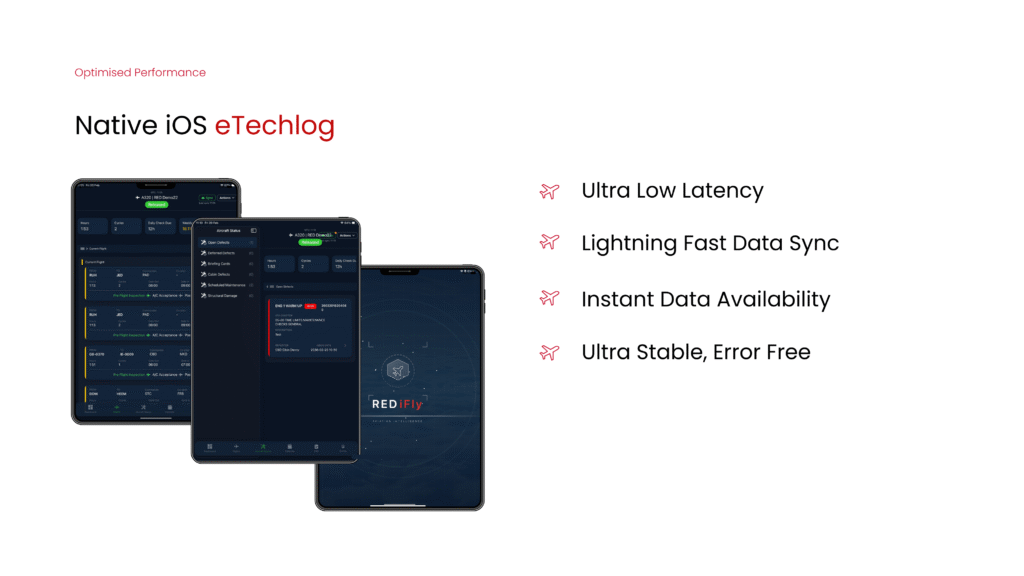
At the same time, there is a clear demand for iOS, especially in airline operations where iPads are already widely used. To support this, REDiFly has released a native iOS application.
Native performance improves responsiveness, stability, and usability under operational conditions. These are critical factors when crews are working under time pressure and require a system they can rely on without hesitation.
By combining cross-platform capability with a native iOS experience, the platform supports different deployment models while delivering optimised performance where it matters most.
Integration Matters More Than Ever
Replacing paper is valuable, but if the system then creates a new silo, the problem is only partially solved. Operators already rely on multiple systems across maintenance, planning, flight operations, and finance. The eTechlog needs to connect to that ecosystem.
This is where modern architecture becomes important.
REDiFly is built with modern REST APIs that support full two-way integration with third-party systems. This allows data to move cleanly between platforms, reducing duplication and improving consistency across digital tech log workflows.
A modern eTechlog implementation should support seamless integration, enabling data to flow between maintenance, CAMO, and operational systems without manual handovers.
More importantly, it ensures that maintenance, operations, and planning teams are working from the same set of accurate, up-to-date information.
When data is captured correctly at source and shared in real time, it becomes immediately usable across the operation, giving maintenance and operations teams the information they need to respond quickly and make informed decisions.
Rather than replacing existing systems, the eTechlog acts as a structured data capture and workflow layer that integrates with them. This approach improves data quality at source while maintaining clear system ownership.
Flexibility in Practice
This approach is not theoretical.
Following the implementation of the REDiFly eTechlog, Helvetic Airways highlighted the impact of having a system that aligns with their way of working:
“Going live with the REDiFly eTechlog has been a major milestone for Helvetic Airways. The system adapts to our processes, rather than the other way around, making it easier to collect and manage technical data. It has strengthened our operations’ data quality, security, and reliability across the network. We’re excited about what the future holds with REDiFly.”
— Christian Suhner, CTO, Helvetic Airways
What stands out here is not just the move away from paper, but the fact that the system aligns with the operation, making it easier for teams to capture and manage technical data while improving data quality and reliability across the network.
That balance is often what determines whether a system is fully adopted or becomes another tool that teams work around.
Flexibility Is Also About the Future
Operations evolve. Fleets change, procedures are updated, and new systems are introduced over time.
Implementing an etechlog that cannot adapt to those changes can quickly create limitations.
Implementing a legacy system today, particularly one without a modern and flexible backend, risks introducing constraints that only become visible after go-live.
One example is integration.
As operators continue to invest in digital ecosystems, the ability to connect with both existing and future systems becomes increasingly important. This could include integration with MRO platforms, operational systems, or even onboard systems such as ACARS, where real-time data exchange can further improve visibility and response times.
A system that is not built to support this level of integration can create new silos, requiring additional manual processes or workarounds as the operation grows.
Another example is how operational requirements change over time.
Introducing a new fleet, updating internal procedures, or responding to regulatory changes often requires adjustments to workflows, data capture, and reporting structures. A rigid system can make these changes difficult to implement, leading to misalignment between the system and how the operation actually runs.
A flexible, modern platform allows operators to:
- Adjust workflows as operations evolve
- Refine data capture as requirements change
- Integrate with new systems over time
This ensures the system continues to deliver value beyond the initial implementation and supports the operation as it grows and adapts.
Choosing the Right eTechlog for Your Operation
Flexibility in an eTechlog implementation is not about offering endless options.
It is about ensuring the system fits the operation, from day one and as it evolves.
The goal is not just to replace paper, but to implement a system that supports your workflows, to connect with your existing applications, and to provide data you can rely on every day.
If you’re evaluating your next step, the key question is simple: will the system adapt to your operation, or will your operation have to adapt to it?
If you’re exploring an eTechlog that fits how your operation works, you can book a call below to discuss your requirements.
The Hidden Operational Cost of Paper when Compared to Electronic Technical Logbooks
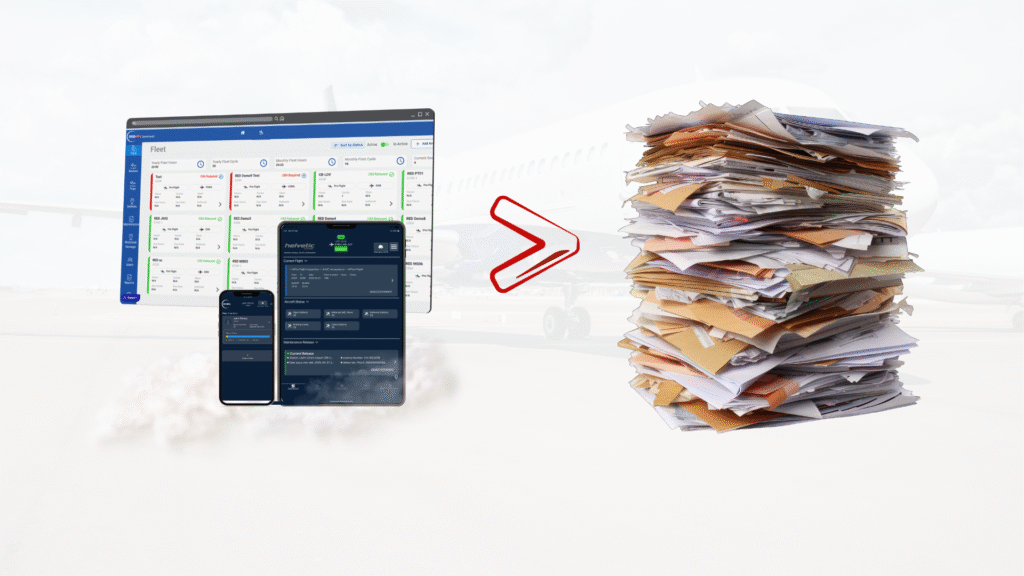
Paper technical logs remain in use across many operations, not because they are effective, but because they are familiar.
In most cases, they do not fail in obvious or dramatic ways. Instead, they introduce small delays, blind spots, and workarounds that quietly increase cost and reduce operational control. Over time, those inefficiencies compound across maintenance, CAMO, dispatch, and flight operations.
The real cost of paper technical logs is not necessarily the cost of paper, printing, or storage (although these do add up). It’s the lost time and the decisions teams are forced to make without up-to-date, reliable information.
As operators seek to enhance predictability and planning, many are reevaluating the value of an electronic technical logbook.
Lost Visibility Is a Real Operational Risk
Operational control depends on visibility. When aircraft status is clear, decisions are deliberate and planned.
Paper logs trap critical information in the cockpit or maintenance office until someone manually moves it. As a result, Operations Control and Dispatch are often forced to rely on phone calls, emails, or informal messages to bridge the gap, because waiting for the logbook is simply too slow.
In practice, this loss of visibility typically shows up as:
- Aircraft scheduled without full awareness of open defects
- Technical issues surfacing late in the turnaround
- Last-minute aircraft swaps that could have been avoided
- Decisions made using partial or outdated information
The longer it takes for defect, maintenance or safety and compliance data to reach the people responsible for operational decisions, the harder it becomes to plan effectively. Even in well-run operations with experienced teams, delayed information reduces predictability and forces your team into reactive decision-making.

How Paper Technical Logs Undermine Maintenance and CAMO
For maintenance and CAMO teams, paper technical logs delay information and degrade its quality.
Handwritten entries are often incomplete, inconsistent, or missing context. By the time defects are transcribed into digital systems, details are lost, assumptions are made, and the original operational picture is already blurred.
Over time, this leads to familiar outcomes:
- Repeat defects that are harder to identify and trend
- Unreliable defect history across aircraft or fleets
- Maintenance teams are cleaning data instead of analysing it
- An increase in no-fault found maintenance actions
Across the industry, no-fault-found events cost operators millions every year, often driven by poor defect data rather than genuine technical uncertainty.
From a CAMO perspective, paper processes also introduce compliance risk. Delayed or inaccurate data makes it harder to track deferrals, life limits, and maintenance intervals with confidence. The work still gets done, but with more manual checking, more follow-up, and less margin for error.
The result is a system where highly skilled engineers and airworthiness staff spend a disproportionate amount of time managing information instead of using it.
Turnaround Time Is Where Paper Does Real Damage
Turnaround is the most time-sensitive phase of any operation, and it is where paper technical logs quietly extract their highest cost.
During a turnaround, crews are completing log entries, engineers are signing off work, pages are checked and handed over, and calculations are performed manually. Each step adds friction and time
These compounds across the fleet
- Crew time is diverted away from operational tasks into admin tasks
- Engineers pulled into paperwork during peak workload
- Small delays are stacking up across rotations
- Reduced ability to recover quickly from disruption
Industry data consistently shows that a ten-minute reduction in turnaround time can deliver roughly an eight per cent increase in aircraft utilisation and around a two per cent reduction in operating costs.
Paper technical logs add time to every turnaround, even when nothing goes wrong. That time has to be absorbed somewhere, usually in tighter buffers and reduced slack. Over time, operations become harder to protect when disruption inevitably occurs.
The Labour Cost No One Budgets For
One of the most overlooked costs of paper technical logs is labour.
Paper creates work that exists solely to manage paper. Clerical staff re-enter data into maintenance systems. CAMO teams chase missing or unclear information. Engineers spend time documenting instead of diagnosing. Pilots complete administrative tasks that add no operational value.
Large operators have already demonstrated the impact of removing this friction. Fleets operating with an electronic tech log no longer require dedicated staff to transcribe or manage logbook data, while paper-based fleets still do. When paper disappears, entire support workflows disappear with it.
This is not about cutting corners or reducing oversight. It is about removing low-value work that absorbs time without improving safety, reliability, or operational control.
If a process requires people simply to move information from one place to another, the process itself deserves scrutiny.
What Changes When Technical Log Data Is Available in Real Time
When technical log data is available the moment it is created, the operating model changes. This is the shift enabled by an electronic technical logbook.
Maintenance teams can begin planning before the aircraft arrives. Operations Control can make informed decisions earlier. CAMO can track airworthiness without waiting for paperwork to catch up.
The benefit is both speed and control.
Real-time visibility enables planned maintenance instead of reactive fixes, fewer last-minute aircraft swaps, faster turnarounds, stronger coordination between departments, and more reliable data for long-term planning.
This is not about replacing paper for the sake of digitisation. It is about removing delay from the decision chain and restoring control to the operation.
Where REDiFly eTechlog Fits
REDiFly eTechlog is an electronic technical logbook designed to address the operational gaps created by paper-based processes.
Instead of moving information after the fact, defects, rectifications, and technical status are captured once and made immediately available across maintenance, CAMO, and operations. Everyone works from the same current picture, without transcription, scanning, or manual handover.
The result is not just a digital logbook, but a more predictable operating environment. Less reactive work. Fewer avoidable delays. Better use of skilled people and aircraft time.
For operators planning to move away from paper technical logs in 2026, the question is no longer whether an electronic tech log makes sense. It is whether the system genuinely supports real-world operations, or simply replaces paper with a screen.
The Hidden Cost Is Not Paper. It Is Lost Control
Paper technical logs rarely appear as a major expense line item. That is why they persist.
But their real cost shows up elsewhere, in avoidable delays, in labour spent managing information instead of operations, in data that cannot be trusted quickly enough, and in decisions made without full visibility.
Most operators are not paying for paper logs.
They are paying for the consequences of delayed information.
And in an industry where utilisation, reliability, and predictability directly affect the bottom line, that cost is no longer hidden, even if it remains widely accepted.
Thinking About Moving Away From Paper in 2026
If you are currently evaluating alternatives to paper technical logs or want to understand what a transition to an electronic technical logbook would involve, we are happy to talk.
We can discuss your operation, your constraints, and whether REDiFly eTechlog is the right fit for how you need to operate in 2026.
AVIATAR Launches Electronic Technical Logbook with Digital Cabin Logbook in Global First with Air Transat
-Reducing paper and increasing data transparency for more sustainable Tech Ops
-Fast-track implementation: From project kickoff to full fleet go live in under a year
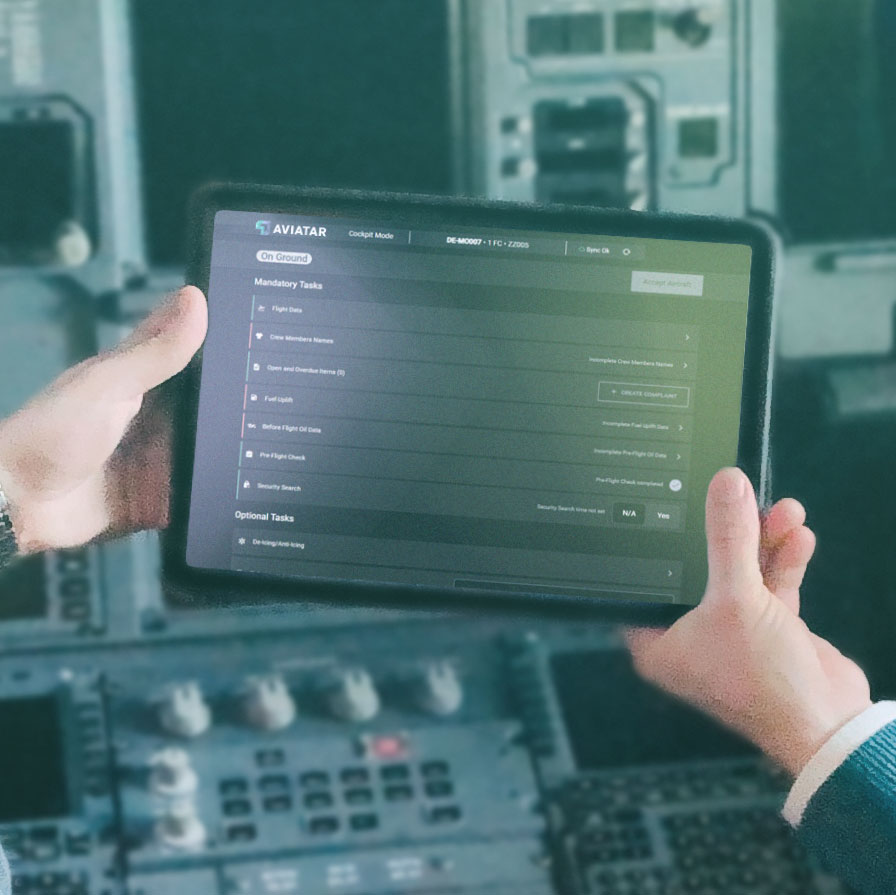
Air Transat, a leading Canadian leisure airline, has reached a major milestone in its digital Technical Operations (Tech Ops) transformation journey by introducing AVIATAR’s electronic Technical Logbook (eTLB), including the newly developed Digital Cabin Logbook, across its fleet of 43 Airbus A321 and A330 aircraft. After receiving Transport Canada’s authority approval for the operation of the eTLB, Air Transat is the first customer worldwide to operate this enhanced digital solution in both cockpit and cabin.
AVIATAR’s eTLB allows Air Transat to eliminate paper-based processes and enhance data transparency across its fleet and crews. It supports both short- and long-haul operations while meeting stringent regulatory requirements. As a fully integrated solution, it synchronizes with AMOS, the world-leading software for maintenance and engineering, and flydocs, global leaders in digital records and asset management. This ensures real-time data flow and conformity in Air Transat’s operations by automating technical dispatch and eliminating transcription errors, while ensuring regulatory compliance through digital signatures and centralized archiving.
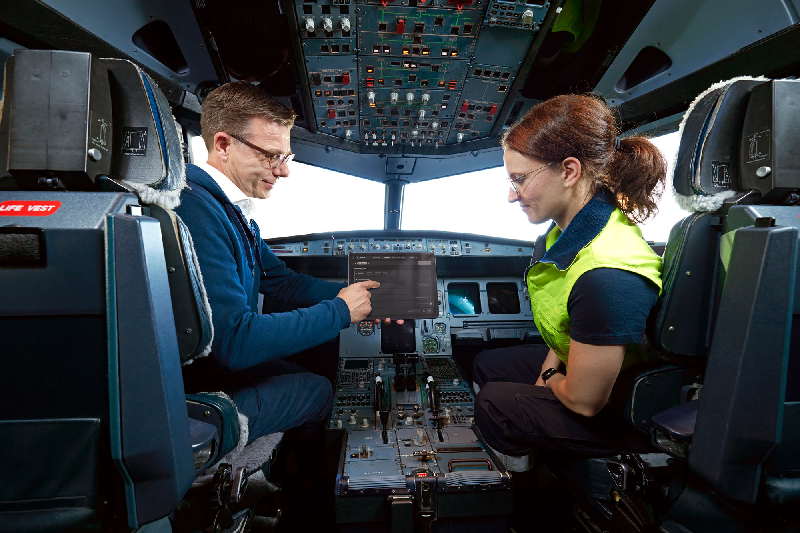
The new Digital Cabin Logbook expands Air Transat’s digital ecosystem to include cabin operations, allowing crews to capture relevant events in flight. Through structured inputs and standardized templates, cabin information can be shared across cockpit and maintenance teams and is synchronized with AMOS. By facilitating a parallel digital workflow, the solution aims to improve data quality, increase operational transparency, and reduce paper-based processes, contributing to greater efficiency and sustainability over time.
Fast-track implementation: From project kickoff to full fleet go live in less than a year
The project launched in February 2025 and received Authority Maintenance Approval – an important regulatory milestone –along with the release of the final logbook version, in January 2026. Starting with three aircraft in January, Air Transat successfully went live across the fleet at the end of February 2026, supported by a dedicated hypercare phase to ensure a smooth entry into service.
Building on this success, Lufthansa Technik and Air Transat are now exploring further AVIATAR integrations, including Predictive Health Analytics and Condition Monitoring, supporting the airlines’s ambition to become fully paperless in its Technical Operations.
“By choosing AVIATAR’s Electronic Technical Logbook, Air Transat made a forward-looking decision. As the world’s first AVIATAR customer to introduce the Digital Cabin Logbook, this implementation marks a major milestone in extending end-to-end digital aircraft documentation into the cabin,” said Arne Schlossmacher, Head of Sales and Customer Development AVIATAR Americas at Lufthansa Technik. “The close cooperation between the airline’s Tech Ops team, cockpit, cabin and ground crews, and AVIATAR developers made the fast-track implementation period possible. It reflects the strength of our partnership and lays the foundation for further digital solutions across Air Transat’s fleet to support its impressive approach to become fully paperless in Tech Ops.”
“The joint implementation project with the AVIATAR team was highly successful, going live in just eleven months,” said Helene Lormeau, Director Systems Support and Continuous Improvement at Air Transat. “Our teams worked closely with AVIATAR experts through multiple on-site workshops, becoming an active partner in developing and refining the solution. The flexibility of AVIATAR’s eTLB allowed us to meet the needs of a wide range of stakeholders – including Tech Ops, Flight Ops, IT, Training, MCC, and Transport Canada. Strong collaboration, clear communication and disciplined project management were key to the project’s success and laid the foundation for a successful digital transformation.”
Air Transat benefits from Lufthansa Technik’s Digital Tech Ops Ecosystem since 2007
By integrating AVIATAR’s eTLB with Swiss AviationSoftware’s AMOS and flydocs Digital Records Management, Air Transat benefits from all three core pillars, as well as Lufthansa Technik’s Engineering Services of the Digital Tech Ops Ecosystem, as it transitions toward a fully digital environment.
Lufthansa Technik’s Digital Tech Ops Ecosystem is a flexible, multi-application suite consisting of AVIATAR, the independent platform for data and analytics; AMOS, the world-leading software for maintenance and engineering, which Air Transat has been using since 2007; and flydocs, a global leader in digital records and asset management; supplemented by Lufthansa Technik Engineering Services. Each solution operates independently, but is designed to work together seamlessly, offering modular, integrated services through a customer-centric, collaborative approach along the whole value chain of technical operations. The Ecosystem is designed to boost process efficiency, reduce technical operating costs, enhance operational stability, and maximize aircraft availability and asset value across the full lifecycle – including lease transitions.
About Air Transat:
Founded in Montreal in 1987, Air Transat is a leading travel brand voted 2025 World’s Best Leisure Airline by passengers at the Skytrax World Airline Awards. Its program offers access to international destinations, mainly in Europe, the Caribbean, the east coast of the United States, America and North Africa. Air Transat is recognized for its excellent customer service. Its fleet includes some of the most energy-efficient aircraft in their category. Based in Montreal with major hubs in YUL Montréal-Trudeau International Airport and Toronto Pearson Airport (YYZ), it has 5,000 employees with a common purpose to bring people closer together. Air Transat is a business unit of Transat A.T. Inc. (TSX: TRZ). www.airtransat.com
About Lufthansa Technik:
The Lufthansa Technik Group is one of the leading providers of technical aircraft services in the world. Certified internationally as maintenance, production and design organization, the company employs more than 23,000 people in dozens of locations around the globe. Lufthansa Technik offers the full range of services for commercial, VIP and special mission aircraft. The portfolio includes maintenance, repair, overhaul and modification of airframes, engines, components and landing gears, as well as the manufacture of innovative cabin products and digital fleet support.
REDiFly Releases Native iOS Version of eTechlog
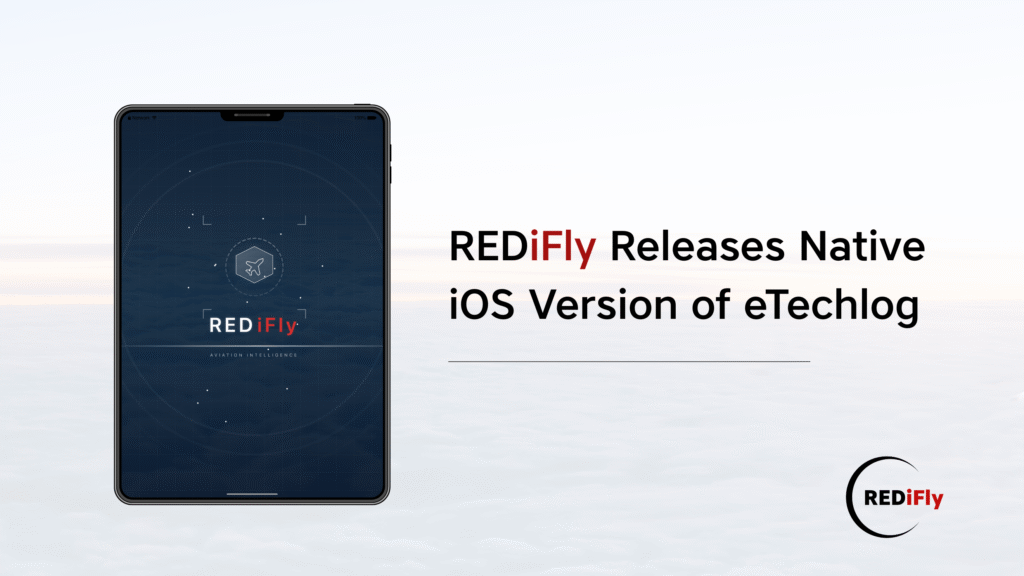
Since its inception, the REDiFly eTechlog has been a truly cross-platform solution, giving operators the freedom to deploy across iOS, Android, and Windows environments. That said, we believe that software should evolve alongside the demands of both the market and its users.
Over the past few years, we’ve seen iPad adoption grow across the industry. We’ve also listened closely to feedback from the crews and teams who rely on our platform every day and need the best possible performance.
To support this shift, we made a strategic decision to develop a fully native iOS version of the REDiFly eTechlog.
While our platform remains fully cross-platform by design, this new native build unlocks the highest tier of performance for iPad-based operations.
What This Means for Your Crew
For flight crews and maintenance teams, the difference is experienced in time-critical moments. Whether entering a defect, reviewing aircraft status, or completing post-flight entries, the application responds with clarity and precision.
The REDiFly eTechlog is purpose-built for the iPad environment used on the line. Combined with our cloud-native microservice backend, the platform delivers unmatched performance, reliability, and long-term scalability aligned with modern aviation IT standards, avoiding the architectural constraints and risks often associated with legacy system design.
The native iOS version delivers:
Instant Responsiveness: Continued fluidity in performance and screen transitions.
Seamless Data Entry: Efficient form handling and structured defect logging supporting accurate and confident input.
Refined Experience: Interface interactions that align naturally with the iPad ecosystem, supporting intuitive navigation and reduced cognitive load.
Flexibility Remains Core
This addition focuses on optimising performance in the areas of highest operational usage, while preserving REDiFly’s flexibility required to support diverse operator workflows, configurations, and regulatory environments.
The REDiFly eTechlog continues to support mixed-OS environments. This ensures operators can still deploy the solution in a way that aligns with their existing infrastructure… whatever the platform.
Built for the Future
Adding a native iOS option reflects our commitment to continuously evolving the technology behind our electronic tech log. This ensures the platform remains current, scales easily, and performs consistently as your requirements change.
If you are looking to replace paper with a high-performance solution we are here to help. Click below to schedule a call with our team and see the REDiFly eTechlog app in action.
Conduce and Smart4Aviation Integration Partnership
Conduce and Smart4Aviation are pleased to announce the successful launch of our integration for Smartwings, the largest Czech airline and member of the Smartwings Group. The integration is now actively being rolled out across the Smartwings fleet.
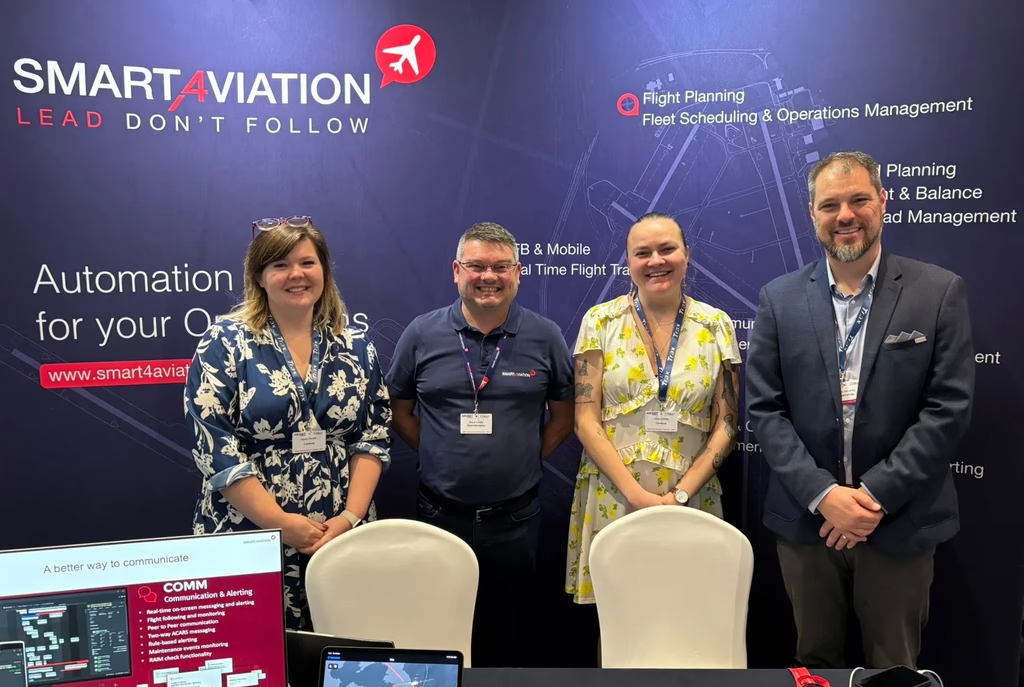
Through the seamless connection of Conduce’s eTechLog8, the world’s leading electronic technical logbook, with Smart4Aviation’s suite of flight operations solutions, Smartwings is achieving a new level of digital efficiency, connecting flight deck, maintenance, and operations teams through accurate, real-time data.
Smartwings’ adoption of Smart4Aviation’s Electronic Flight Folder (EFF), together with Conduce’s eTechLog8, enables pilots, engineers, and dispatchers to share synchronized data instantly, replacing paper-based processes with modern, streamlined digital workflows.
Paul Boyd, Managing Director at Conduce, shared a statement:
“Our partnership is built on a shared vision: empowering airlines through seamless integration, reliable data, and smarter digital operations. Seeing Smartwings leverage both eTechLog8 and Smart4Aviation’s platforms to enhance efficiency and connectivity across their operation is incredibly rewarding. This collaboration is a perfect example of how strong vendor partnerships can deliver real-world benefits for airlines and their teams.”
Maciej Migacz, Sales & Marketing Director at Smart4Aviation, added:
“We are pleased to have completed a smooth integration with Conduce’s tools as part of the Smartwings project, enabling robust and frictionless data exchange between our platforms. This capability creates a scalable foundation that can be leveraged by airlines worldwide. Our joint execution, bringing together three parties in a highly aligned delivery model, clearly showcases how collaborative engagement drives tangible value for our customers. We look forward to building on this success as we embark on future initiatives together.”
With ongoing joint developments planned throughout 2026, both companies remain committed to supporting airlines with technology that delivers clarity, efficiency, and confidence in today’s dynamic aviation landscape.
About Smartwings

Smartwings is the Czech Republic’s largest airline, operating an extensive network of scheduled and charter flights across Europe, Africa, Asia, and the Middle East. Committed to innovation, safety, and passenger satisfaction, Smartwings continues to modernize its operations through the adoption of advanced digital solutions.
Learn more at www.smartwings.com.
About Smart4Aviation

Smart4Aviation is a company founded to provide web-based, mobile solutions and services to optimise, simplify and improve airline operations. It offers a wide portfolio of high-quality, fully scalable and compatible IT products to key aviation players all over the world. Smart4Aviation’s software is successfully utilised by many airlines including Air Canada, Qantas, Iberia, Alaska Airlines, Air France, Cebu Pacific, Delta Air Lines, easyJet, Smartwings, Philippine Airlines, Martinair and MEA. S4A’s headquarters are located in Amsterdam, the Netherlands with offices in Poland. You can also meet us in Toronto, Canada and New York City, USA.
Learn more at www.smart4aviation.aero.
About Conduce

Conduce is a UK-based aviation technology company specializing in digital transformation for airline maintenance operations. Its flagship product, eTechLog8, is the world’s leading electronic technical logbook, designed to replace paper-based systems with a fully digital, connected solution that enhances compliance, accuracy, and efficiency.
Plus Ultra Líneas Aéreas Selects Conduce eTechLog8
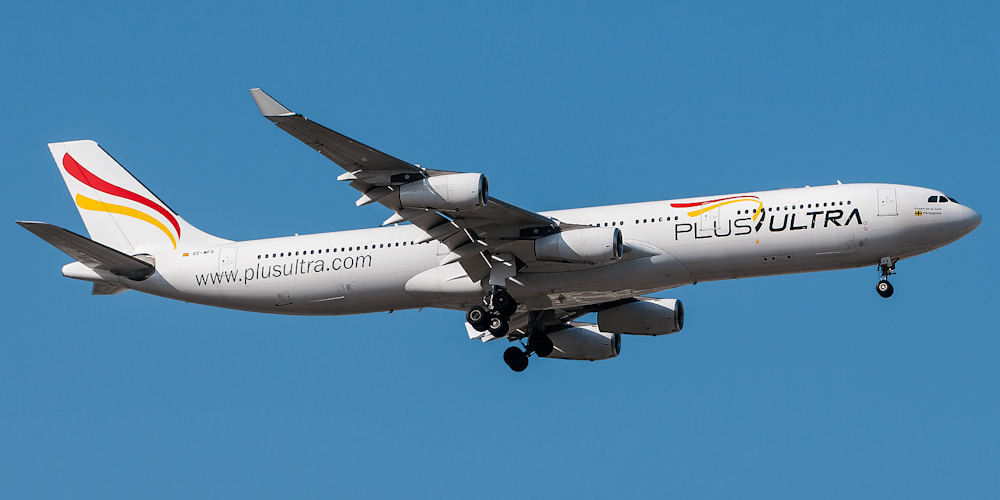
Conduce is pleased to announce that Plus Ultra Líneas Aéreas has chosen eTechLog8, the world’s leading electronic technical logbook solution, to support its continued digital transformation across its fleet of five Airbus aircraft. This strategic decision marks an important milestone in Plus Ultra’s mission to streamline operations, strengthen data integrity, and enhance the efficiency of its maintenance processes.
With full regulatory approval for eTechLog8 in Spain, approved by the Spanish Agency for Air Safety (AESA), the airline continues its digital transformation and sustainability commitment by eliminating paper-based technical records and implementing a fully digital and integrated workflow that connects crews, engineers, and operational teams in real time.
eTechlog8, the world leader in electronic technical logbooks, allows Plus Ultra to have broader and more accurate control over the entire maintenance ecosystem. Key advantages include immediate visibility of the technical and maintenance status of each aircraft, as well as the collection of more precise, traceable data connected to existing systems. This will be reflected in improved fleet punctuality and availability, reduced administrative workload, and enhanced operational safety and regulatory compliance.
The Spanish airline points out that “the adoption of eTechLog8 is a key step in our digital transformation that will allow us to operate more efficiently and with greater agility.”
Hayley Russell, Director of Operations at Conduce, emphasized that “Plus Ultra shares our vision of using technology to elevate operational performance. We are very pleased to accompany them in this digitalization process with a solution approved by AESA, which stands out for its reliability and consistency across the entire maintenance ecosystem.”
Helvetic Goes Paperless With The REDiFly eTechlog.
Helvetic has officially gone live with the REDiFly eTechlog across its entire fleet, marking a major milestone in the Swiss airline’s digital transformation. REDiFly’s cloud-based platform replaces paper technical logbooks with a streamlined digital system, giving pilots and engineers real-time access to flight and maintenance data.
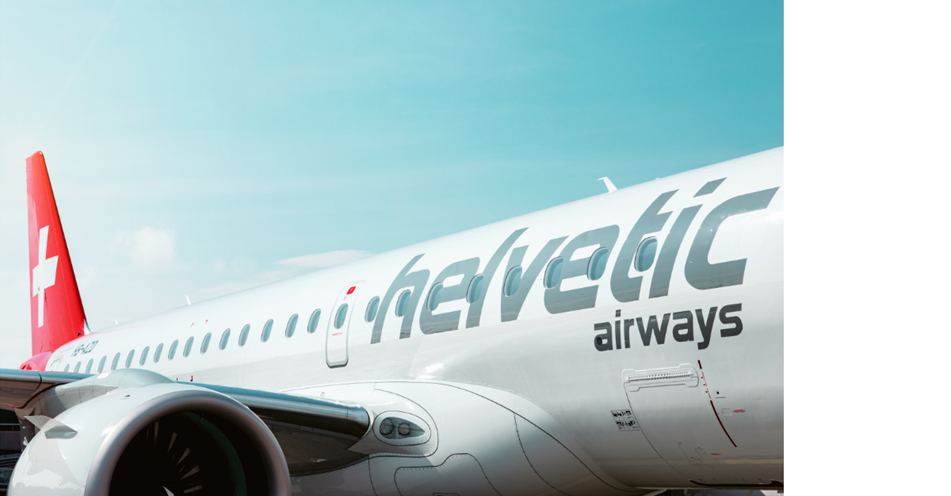
Helvetic’s rollout of the REDiFly eTechlog marks a major shift away from paper-based processes, giving pilots and maintenance teams a faster, more accurate way to manage aircraft defects, flight records, and technical updates.
Pilots and engineers now manage data entirely through a modern, digital platform, eliminating delays and errors associated with traditional paper processes.
Helvetic assigned iPads directly to pilots rather than individual aircraft, a key deployment feature that improves accountability, device care, and operational security. Pilots use their assigned devices to manage flight and maintenance reporting tasks without the need for shared hardware.
The REDiFly platform’s cloud-native SaaS design also supports Helvetic’s IT strategy by reducing the need for in-house infrastructure and enabling secure, scalable access across the network.
Helvetic completed the deployment of the REDiFly eTechlog across its fleet and supported pilots and maintenance teams through a structured onboarding and training program. The eTechlog is seamlessly integrated with existing operational software, including WinOps (flight operations) and AMOS/AMOS Mobile (maintenance), giving flight and maintenance teams real-time visibility into aircraft status, scheduled maintenance requirements, and technical reporting data.
The REDiFly eTechlog process was also successfully approved by the Swiss Federal Office of Civil Aviation (FOCA), reflecting compliance with Tier 1 regulatory standards.
Christian Suhner, CTO of Helvetic comments:
“Going live with the REDiFly eTechlog has been a major milestone for Helvetic Airways. The system adapts to our processes, rather than the other way around, making it easier to collect and manage technical data. It has strengthened our operations’ data quality, security, and reliability across the network. We’re excited about what the future holds with REDiFly.”
REDiFly’s CEO, Patrick Clancy, comments:
“Helvetic’s move to a fully paperless operation with the REDiFly eTechlog shows exactly what this platform was built for — giving airlines faster, more reliable workflows and real-time control over the quality and management of their operational data. It’s not just about replacing paper; it’s about giving operators better control over their data, improving turnaround times, and making maintenance decisions with real-time information. We’re proud to have played a part in helping Helvetic move to the next level of digital operations.”
About REDiFly
REDiFly develops flexible, user-focused aviation software. Their eTechlog replaces paper-based aircraft technical logbooks, giving operators real-time control over maintenance data, improving airworthiness tracking, and reducing operational delays. Built through direct collaboration with flight and maintenance teams, REDiFly helps streamline maintenance workflows and simplify regulatory compliance.
For more information visit http://www.redifly.com.
About Helvetic Airways:
Helvetic Airways is a Swiss airline headquartered at Zurich Airport, operating scheduled and charter flights across Europe with a fleet of 22 Embraer aircraft. Helvetic is known for its high operational standards, modern fleet, and commitment to continuous innovation in aviation services.
For more information visit: https://www.helvetic.com/en/helvetic
Company Contact Information:
REDiFly / IAS Ireland
Mr. Patrick Clancy
32 Regional Development Centre,
DkIT (Dundalk Institute of Technology),
A91N8XP
Co. Louth,
Ireland.
Phone: +(353) 877945436
Email: Sales@redifly.com
For more information visit www.redifly.com
Helvetic Airways
Mr. Christian Suhner
Helvetic Airways AG,
Steinackerstrasse 56,
CH-8302 Kloten,
Switzerland.
Email: info@helvetic.com.
For more information visit https://www.helvetic.com/en/helvetic